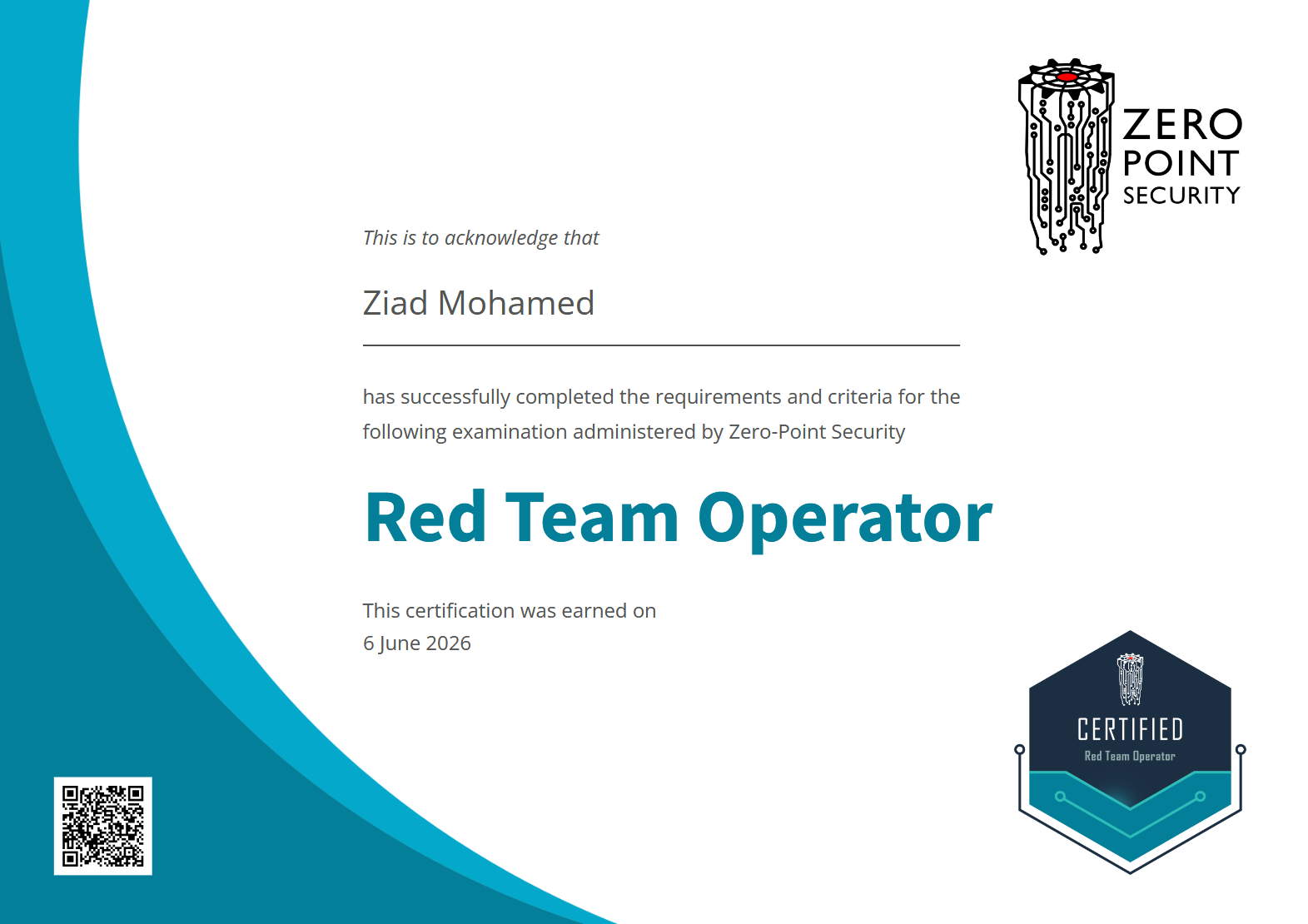
Why This One?
I was looking for a shift in perspective. Instead of a course that just memorizing syntax or following a rigid “if you see this do that” playbook to pass, I wanted a course that would challenge how I think. My goal was to shift my mindset entirely moving away from traditional penetration testing and truly adopting the adversarial mindset of a Red Team Operator.
The Course
Candidates should be aware that the CRTO is an advanced curriculum. It presumes a strong foundational knowledge of Active Directory infrastructure, core networking, and standard penetration testing methodologies. Because the course does not cover foundational concepts, addressing any knowledge gaps beforehand is essential for success. Not all things are mentioned and it relayes heavily on C# so prior coding skills is mandatory.
One of the course’s greatest strengths is its structure; it organizes content around a realistic attack lifecycle rather than just presenting a flat list of disconnected techniques. It kicks off with a solid primer on the reality of Red Teaming—breaking down the operational mindset and critical legal considerations—before diving into the technical execution. From there, the curriculum follows a beautifully logical arc: initial access, reconnaissance, defense evasion, post-exploitation, privilege escalation, persistence, lateral movement, domain dominance, and finally, trust abuse, ADCS and more.
And the most important thing, OPSEC. Each step in the lifecycle you learn exactly what telemetry you are triggering, what defensive alerts to expect, and precisely how to modify your tradecraft to bypass them. It forces you to understand the defensive footprint of your actions, shifting your approach from blindly running a tool to truly engineering a stealthy operation.
Then there is Cobalt Strike, the C2 framework at the center of the entire course. It is an expensive, premier commercial tool used heavily by actual red teams and adversarial threat actors alike. Getting your hands on it here is genuinely useful. Rather than just teaching you to navigate the GUI and click buttons, the course ensures you learn how to properly configure its architecture, giving you a solid grasp of how enterprise-grade C2 infrastructure operates in production.
The Labs
One of the best aspects of the course is the unlimited lab access, the only catch that there is a 24-hour cooldown between spins which for me is still perfect by effectively giving you unlimited access to the labs whenever you need them, allowing you to practice and reinforce concepts entirely at your own pace.
The Exam
The exam is where this certification earns its reputation.
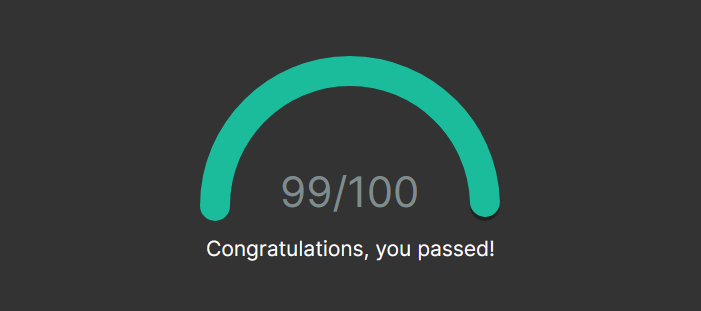
You get 24 hours spread across 7 days, No scheduling required like the old version. You just start to see the ROE and the operational goal that you need to achieve. The exam maximum score is 100, you need 85 to pass, 50 for the operational goal and the other 50 for the situation awareness (how much alerts you rang like a christmas tree along the way)
The grading methodology is what makes the practical exam truly stand out. While traditional certifications focus strictly on the end state, this one evaluates your execution path. Moving recklessly through the environment and triggering high-fidelity alerts will result in a failing grade, even if you capture all the flags. This is not a punitive gimmick; it is an authentic reflection of real-world tradecraft. Red teaming demands stealth, and the scoring engine holds you accountable to OPSEC standards rather than merely treating them as a theoretical concept.
What Is Not In The Course
The only thing that I can think of in AD attacks that is not in the course is the SCCM exploitation and it was removed in the newer update, ADCS was not there too but it was added earlier this year. Aside from SCCM everything is covered.
Who Should Take This
If you already know your way around Active Directory and don’t need a map to find basic penetration testing fundamentals, CRTO is a fantastic way to actually start building real red team operator skills. Just don’t treat it as your absolute starting point unless you enjoy paying money to stare blankly at Cobalt Strike. It’s not step one but it’s an incredible step two.
Final Advice
My biggest piece of advice is simple: try to have fun with both the course material and the exam itself. The exam is designed to test your resilience and panicking will get you nowhere. You will get stuck at some point along the way, but that is exactly how you learn to think dynamically and solve complex problems under pressure. Passing the exam requires absolute calmness and a highly structured approach to unfamiliar scenarios.